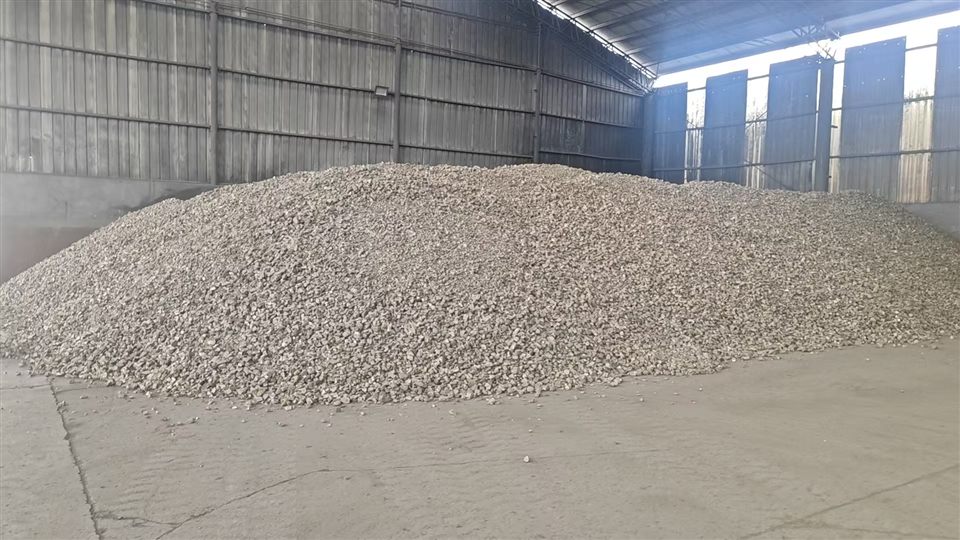
Short answer: A lot of silicon metal marketed for aluminum alloying might be usable in silicone production, but the label alone is insufficient. The silicone producer must approve the lot against its own chemical and physical requirements. The reverse is also true: “chemical grade” on an offer is not a universal acceptance certificate.
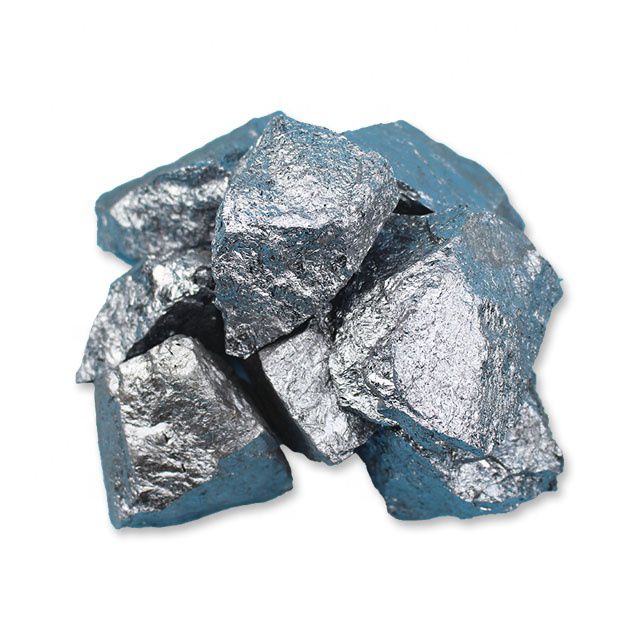
Why the end use changes the question
Silicon metal is used both for aluminum alloying and as feedstock for silicones. Silicones Europe describes a production route in which finely ground silicon reacts with methyl chloride to form chlorosilanes. Silicon producer Elkem explains that molten silicon is refined to control elements such as aluminum and calcium, and that solidified metal is crushed or milled to a required size. These descriptions establish the process context; they do not publish one universal impurity limit for every silicone plant.
An aluminum foundry may evaluate an addition by its effect on a melt’s alloy composition. A silicone producer evaluates feedstock for its own reaction and milling process. The same nominal Si percentage therefore does not answer both procurement questions. Neither a photograph nor a generic 553/441 label replaces a plant-specific approval.
Four checks before offering a lot for silicone production
- Ask for the receiver’s specification. Confirm the required Si level, limits for Al, Ca, Fe and any other controlled elements, and the permitted particle-size range or milling route. Do not invent a generic “chemical grade” threshold.
- Compare a real lot. Obtain the lot’s analysis, sampling basis and form. If material will be milled, clarify who performs milling and how contamination is controlled.
- Agree on the approval step. Ask whether a representative sample, laboratory test or plant trial is needed before bulk acceptance, and who decides pass/fail.
- Keep the contract specific. Put the approved specification, test method, lot identity and any trial condition in the purchase documents before shipment.
If these conditions are not yet known, describe the material by its measured composition and form, and offer a sample for assessment. Do not promise that an aluminum-use lot will run in a silicone process. For a different end-use boundary, see our FAQ on solar-cell feedstock.
Sources
- Silicones Europe, Silicone production, accessed 28 October 2026 (process overview).
- Elkem, What is silicon?, accessed 28 October 2026 (silicon refining, sizing and end uses).