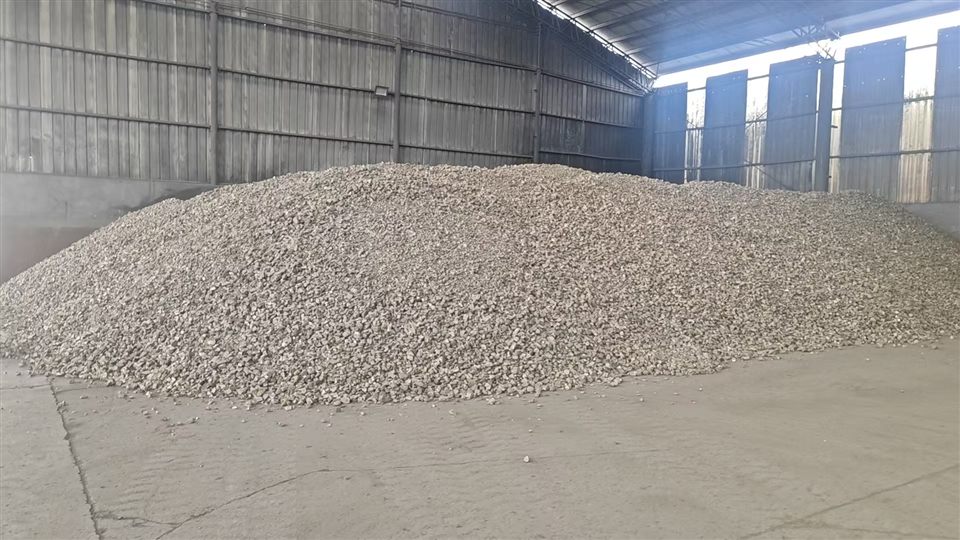
Short answer: no—not as the wafer material in a conventional crystalline-silicon solar cell. Metallurgical-grade silicon metal is an upstream feedstock. It must be purified into polysilicon before the usual ingot, wafer and cell-making steps. If you operate a purification plant, silicon metal may be the material you need; if you make ingots or cells, asking only for “silicon metal” can lead to the wrong offer.
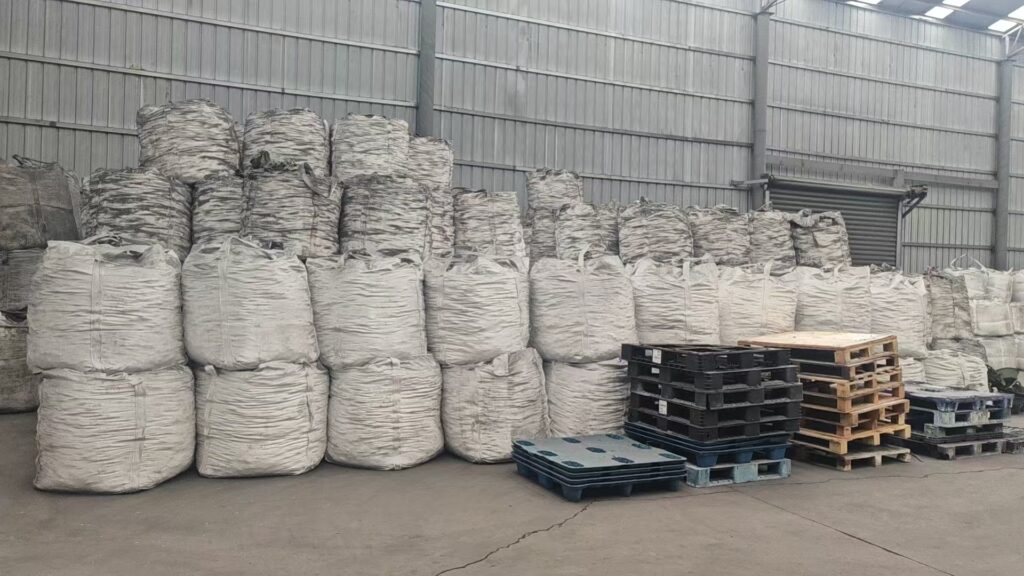
Where does silicon metal sit in the solar supply chain?
The U.S. Department of Energy’s photovoltaic manufacturing overview describes metallurgical-grade silicon as an input to polysilicon production, followed by wafer and cell fabrication. The Department of Energy’s solar manufacturing overview describes polysilicon as a distinct, much higher-purity material (minimum 99.999999%) used to make ingots. That figure describes the downstream material, not a universal silicon-metal purchase specification for every purification plant.
That is why a certificate for an industrial silicon-metal grade does not, by itself, qualify a lot for direct use in a solar wafer line. Conversely, a polysilicon quotation should not be judged against the price or impurity limits of metallurgical silicon metal. They are different products at different stages of processing.
What should a buyer put in the RFQ?
- Your process step: Are you buying feedstock for a purification process, or purified polysilicon for ingot growth?
- Your own acceptance specification: State the required purity and individual impurity limits, the test method and the sampling point. Do not rely on a label such as “solar silicon.”
- Physical and handling requirements: Specify lump or granule size, allowable fines, packaging and contamination-control needs for your process.
- Evidence: Ask what analysis is available for the actual lot and whether your plant requires independent testing before approval.
Where Xinrui’s product page fits
Our silicon metal 441 product page describes an industrial silicon-metal product; it is not a polysilicon certificate. Send your end use and acceptance limits when enquiring so the product can be discussed against the right specification. For a broader pre-order chemistry checklist, see how to check silicon-metal chemistry.
Sources: U.S. Department of Energy, Photovoltaic Manufacturing Basics and Solar Manufacturing Policy Overview, accessed 22 October 2026. This answer explains the conventional crystalline-silicon route; unusual or proprietary manufacturing processes require their own technical qualification.