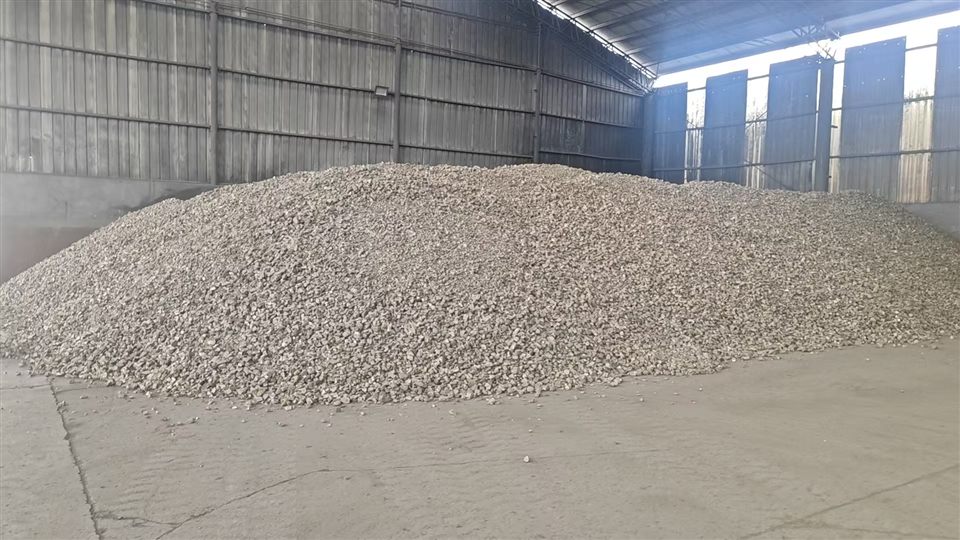
Short answer: Sometimes, but not on the grade number alone. FeSi72 and FeSi75 are nominally different silicon-content grades. A buyer must check the approved melt practice, the full chemical limits and the usable silicon per tonne before accepting a substitution.
Start with contained silicon, not tonnes of alloy
For a simple planning comparison, assume the material actually contains exactly 72% or 75% Si. To charge 100 kg of contained silicon, the arithmetic is 100 ÷ 0.72 = 138.9 kg of FeSi72, versus 100 ÷ 0.75 = 133.3 kg of FeSi75. That is about 5.6 kg more FeSi72. This is a mass-balance illustration only: it does not predict how much silicon your furnace retains. Actual analyses, recovery, addition point and handling losses can change the required charge.
When is a change worth testing?
- Your metallurgist accepts both grades for the intended steel or casting and can adjust the charge sheet.
- The offered lot meets your limits for aluminium, calcium, carbon, phosphorus and other residuals that matter to your process—not just its Si figure.
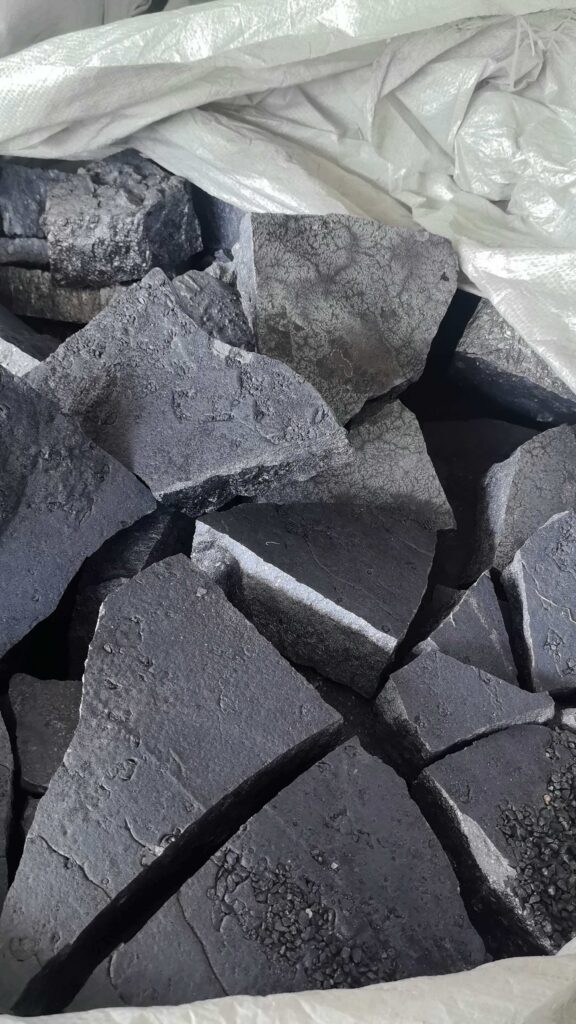
- Size and fines fit your feeding method. A chemistry match does not solve a handling mismatch.
- A controlled trial or documented production experience supports the expected recovery and finished-metal result.
For a critical or tightly specified melt, keep the approved grade until your technical team signs off a change. Do not substitute solely because the price per tonne is lower; compare price per usable silicon unit after considering recovery and any extra processing cost.
What should the purchase order say?
State the accepted grade or Si range, maximum relevant residuals, size distribution, sampling and acceptance method, and whether substitution needs written approval. Compare the available ferrosilicon range, including the FeSi72 listing and FeSi75 listing, against your own specification. If you need a procedure for checking the analysis before ordering, use our chemistry-verification checklist.
Source
US Geological Survey, Silicon commodity study, 2012 (describes common ferrosilicon grades and pricing by contained silicon). The charge example above is our arithmetic, not a published furnace recommendation.