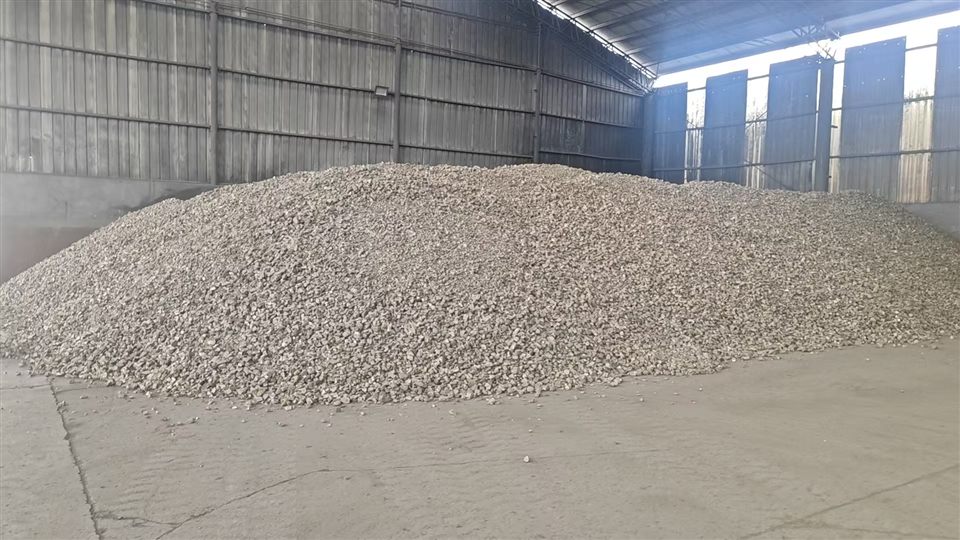
Short answer: No. A commercial “553” label on silicon metal is a starting description, not an approval for every aluminum alloy. The aluminum producer must compare the actual lot analysis and intended addition with the chemistry limits for its specific finished alloy and process.
Start with the finished alloy, not the raw-material nickname
The Aluminum Association’s registered composition tables specify different silicon ranges and limits for elements such as iron in different wrought alloys. Casting alloy limits are a separate question; ASTM B26/B26M notes that materials may be used when the casting chemistry can be analyzed and adjusted before pouring. Neither source says that a single commercial silicon-metal label fits all alloys.
What to calculate before approval
- Identify the exact alloy designation and the applicable customer, industry or plant specification, including the revision in force.
- List the remaining allowance for Si and each controlled residual after accounting for the existing melt and other additions.
- Use the proposed silicon-metal lot’s measured analysis and addition mass to estimate its contribution. Include expected recovery and sampling uncertainty according to the plant’s procedure.
- Confirm piece size and charging method with production, then trial and test the resulting melt where required.
For example, a lot can meet a supplier’s 553 description yet be unsuitable if the particular melt has too little remaining iron allowance. Conversely, a different alloy and charge recipe may accept it. Request a lot-specific certificate and agree the acceptance limits in the purchase order; do not infer suitability from the grade name alone. Our quotation FAQ lists the details needed for a comparable offer.
Limit: This is a purchasing method, not an approval of a Xinrui lot or a substitute for the mill’s alloy specification.
Sources
- The Aluminum Association, Teal Sheets 2025, accessed 31 October 2026.
- ASTM, B26/B26M aluminum-alloy sand casting specification overview, accessed 31 October 2026.