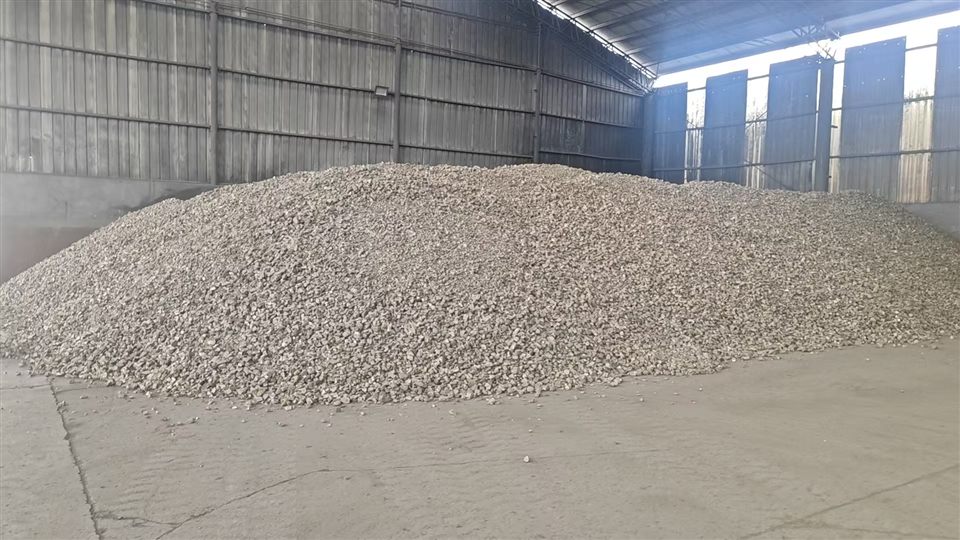
Short answer: Ask for a current safety data sheet (SDS) for the actual ferrosilicon supplied. Confirm the supplier, product identification, revision date and applicable jurisdiction before relying on it. Your receiving site’s safety team should review the stated hazards and controls; another producer’s SDS is useful background but cannot certify a Xinrui lot.
Sections worth checking before receipt
- Identification and composition: Does the document name the same grade and form as the purchase order? Is the issuing company the supplier of this shipment?
- Handling and storage: What does the supplier require for moisture control, dust prevention and ventilation? Are these conditions available at the intended warehouse?
- Stability and incompatibilities: What contact with moisture, acids or bases must be avoided for this product and form?
- Transport and response: Check the supplier’s transport classification and incident instructions with trained staff. Do not assume all ferrosilicon forms have identical classifications.
Why a generic sheet is not enough
OFZ’s ferrosilicon SDS, issued in November 2024, describes gas-generation risks when FeSi dust contacts moisture, acids or alkalis. That supports asking about a dry, ventilated receiving location and dust controls. It does not prove that every lot, size or supplier has the same assessment. If the goods arrive wet or the label and SDS disagree, hold the material for the receiving site’s safety procedure and request clarification from the supplier before normal handling.
Put the requested SDS revision and product form in your purchase requirements. Our quotation FAQ covers the commercial details needed for a comparable offer. This article is a document-checking guide, not a substitute for the actual supplier SDS or local safety instructions.
Source
OFZ, Ferrosilicon safety data sheet, issued 1 November 2024, accessed 1 November 2026.